What Makes a Premium Rice Cooker? How It Differs from a Standard Model
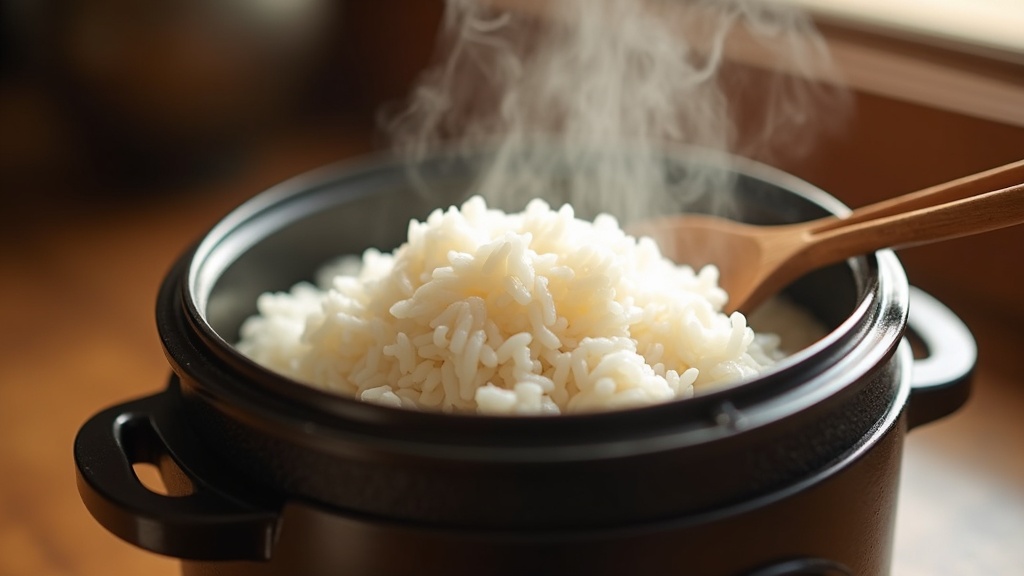
Have you ever wondered, “Does spending more on a rice cooker actually make the rice taste better?” The short answer is yes — and it comes down to two things: how heat is applied and what the inner pot is made of. These two factors alone make a dramatic difference in grain texture, natural sweetness, and that satisfying chewy bite.
Heating Methods: IH, Pressure IH, and Clay Pot Explained
Rice cookers use one of three main heating methods. Here’s a breakdown of how each works and what sets them apart.
- IH (Induction Heating): Heats the entire pot evenly using electromagnetic induction, reducing hot spots compared to traditional bottom-heater models. This is the standard method found in most mid-range cookers.
- Pressure IH: Pressurizes the cooking chamber to raise the boiling point above 212°F (100°C), gelatinizing starch more efficiently for a stickier, chewier texture. This is the dominant technology in high-end models.
- Clay Pot / Kamado-Style: Recreates the traditional wood-fired cooking experience through far-infrared radiation and superior heat retention. Used in select models from Panasonic and Zojirushi.
How Inner Pot Material Affects Your Rice
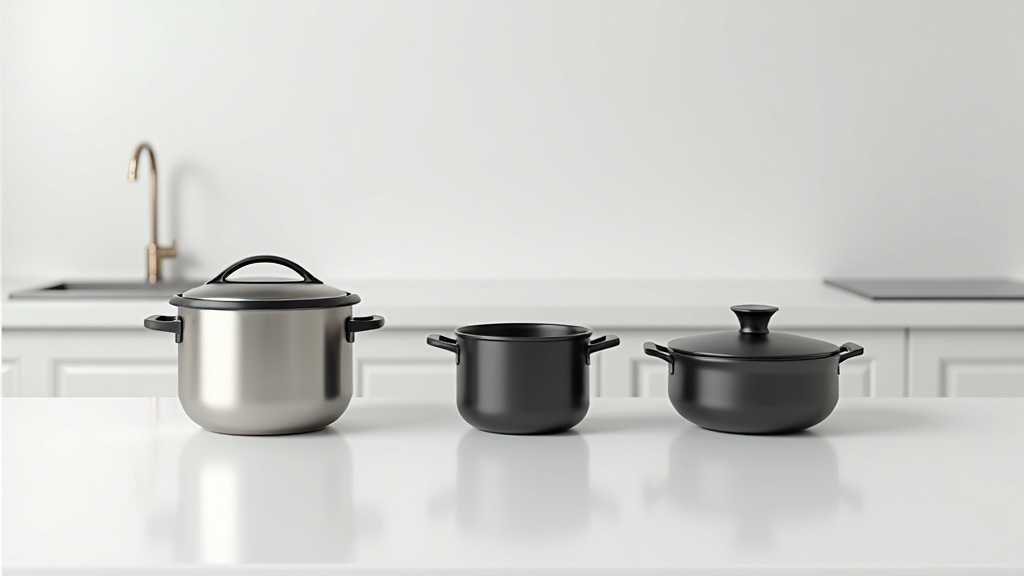
The inner pot material is just as important as the heating method. Standard models typically use aluminum-based pots, which are lightweight and conduct heat quickly but retain it poorly. Premium models, on the other hand, feature multi-layered pots incorporating cast iron, carbon, or clay-based materials.
For example, iron pots retain heat exceptionally well, allowing residual heat to finish cooking the rice through to the core even after the heating cycle ends. Clay-based pots have microscopic pores that absorb excess moisture, preventing the rice from turning out sticky or mushy. These premium pots tend to be heavier than standard ones — but that weight is a sign of denser, higher-quality construction.
Bottom line: Premium rice cookers cost more because of a two-layer technological investment — precision heat control plus high-quality pot materials. Neither element alone is enough to achieve the results these cookers deliver, which is why the engineering behind them commands a higher price.
How to Choose a Premium Rice Cooker: 4 Key Factors
Shopping for a high-end rice cooker can feel overwhelming with so many specs to compare. Building on the differences in heating method, pot material, and cooking modes covered above, here are the four most important factors to guide your buying decision.
Recommended Capacity by Household Size
A good rule of thumb for capacity: your current household size in cups, plus one. Rice cookers are engineered to perform best at 70–80% of their maximum capacity, so consistently cooking small batches means you’ll never get the full benefit of the machine.
- 1–2 people: 3-cup (5.4-cup) model (look for a small-batch cooking mode)
- 3–4 people: 5-cup (9-cup) model — the best balance of performance and value
- 5+ people or batch cookers: 10-cup model
Keep in mind that even a 5-cup premium rice cooker tends to be physically larger than its standard counterpart. Measure your kitchen storage space before you buy.
Choosing by Heating Method: Pressure IH vs. Non-Pressure IH vs. Clay Pot
Your heating method choice is the single most important decision, as it directly determines the texture of your cooked rice.
Choosing by Pot Material: Carbon, Clay, and Iron Compared
Each pot material conducts and retains heat differently, which shapes the final result.
- Carbon pot: Lightweight with fast heat conductivity and far-infrared effects for even cooking. The most versatile option for everyday use.
- Clay / ceramic pot: Excellent heat retention — residual heat continues cooking after the element turns off. Heavier and requires careful handling.
- Iron pot: High heat capacity allows vigorous, rolling boils that cook every grain thoroughly. Requires thorough drying after use to prevent rust.
Interestingly, pot thickness often matters more than material alone. Thinner pots are prone to uneven heating from rapid temperature spikes, which is why premium models consistently use thicker-walled construction.
Cooking Modes and Smart Features
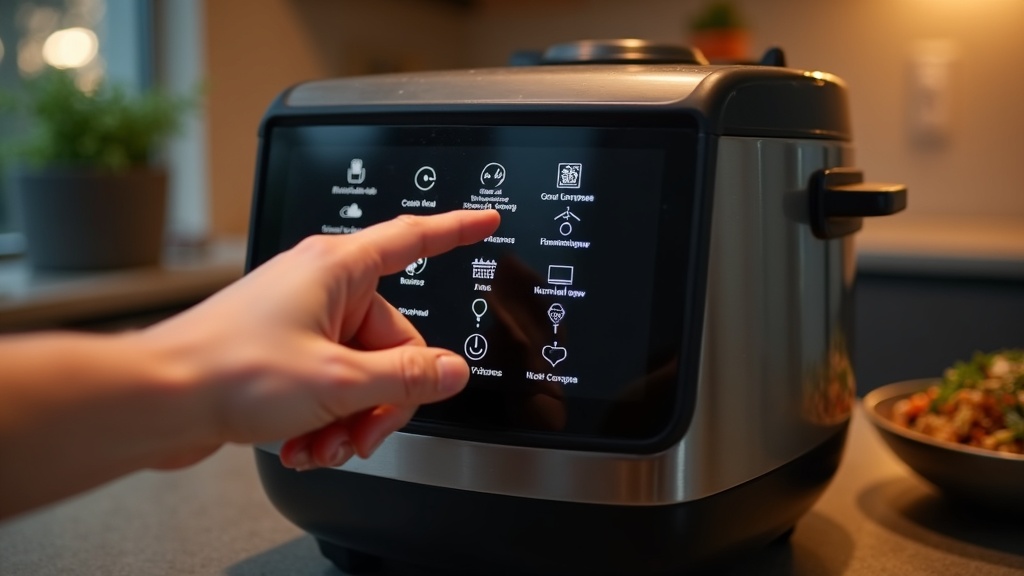
The range of cooking modes beyond standard white rice can make a big difference in day-to-day usability. Brown rice, multigrain, rinse-free rice, porridge, and mixed rice are practically standard across the category. However, brand-specific rice variety optimization (“variety cooking mode”) and app-based remote control or recipe updates are often reserved for top-tier models.
What to check if smart features matter to you
- Wi-Fi connectivity (Bluetooth-only models have more limited functionality)
- App compatibility with your OS and long-term software support
- Whether variety cooking database updates are free or require a subscription
Smart features are a nice bonus, but they have no impact on cooking quality. If rice texture is your top priority, lock in your heating method and pot material first — everything else is secondary.
Top 7 Premium Rice Cookers | Best Models of 2026
With the key selection criteria in mind, here’s a side-by-side comparison of the flagship models from each major brand. By evaluating them across three dimensions — heating technology, inner pot material, and cooking customization — you’ll have a much clearer picture of which model fits your needs.
Zojirushi炎舞炊き NW-FB10 | Six Heating Elements for Intense Convection
This model features six independent heating coils on the bottom of the unit, firing at irregular intervals to generate powerful convection currents. Just like cooking rice in a traditional kamado wood-fired stove, the rice grains actively circulate during cooking — ensuring even, thorough heat distribution throughout every grain.
Who this model is best for
- Those who prefer rice with a well-balanced mix of stickiness and natural sweetness
- Anyone who wants to take advantage of multiple cooking modes and texture settings
- People who trust Zojirushi’s long-standing expertise in IH heating technology
Honest drawbacks: The unit is on the larger side, which may feel cramped in a tight kitchen. With so many features packed in, it can also take some time to get fully comfortable with all the settings.
For full specs and the latest pricing, visit the Zojirushi official website.
Curious about how the NW-FB10 actually performs? Be sure to check the product page for full specs and user reviews.
Panasonic W踊り炊き SR-VSX189 | Variable Pressure + Steam: A Two-Pronged Approach
Building on its signature variable-pressure cooking that gets rice grains actively “dancing,” this model adds steam into the mix with its W踊り炊き (W Odori-daki) system. By combining both pressure and steam, Panasonic achieves something most cookers can’t — rice that’s simultaneously fluffy and distinctly grain-separated.
Who this model is best for
- Those who prefer soft, fluffy rice with a lighter texture
- Anyone who regularly cooks brown rice, multigrain blends, or other specialty rice types
- Those looking for a model with advanced steam functionality
Honest drawbacks: The steam mechanism requires periodic cleaning of the water tank, which adds a maintenance step to your routine. If you want to keep upkeep to an absolute minimum, this could feel like an extra burden.
For the latest information, visit the Panasonic official website.
Interested in how the flagship W踊り炊き technology performs? Check the latest pricing and full specs — and don’t forget to read real user reviews to see how its high-power IH and variable pressure combination holds up in everyday cooking.
Tiger 土鍋ご泳釜 JPH-A100 | A Genuine Clay Pot Inner Bowl Unlike Any Other
This is the only rice cooker on the market that uses an actual Iga-ware clay pot as its inner cooking bowl — not a clay-coated metal pot, but genuine clay through and through. Because the material itself is clay, the far-infrared radiation and heat retention it delivers simply can’t be replicated by any other material.
Who this model is best for
- Those who want to recreate the taste and aroma of clay pot-cooked rice without the hassle
- Anyone focused on bringing out the natural sweetness of the rice itself
- Those who want the full experience of cooking rice — not just the result, but the ritual
Honest drawbacks: Because it’s real clay, the inner pot is heavy and can crack if dropped. Factor in the cost of a replacement pot before making your decision. Sudden temperature changes (thermal shock) are also something to be mindful of.
For full details, visit the Tiger official website.
Want to know how the 土鍋ご泳釜 actually cooks? Check the latest pricing and detailed specs on the product page.
Mitsubishi Electric 本炭釜 NJ-AW109 | A Pure Carbon Inner Pot That Maximizes Far-Infrared Heating
This premium model features an inner pot made from 100% carbon material — actual charcoal, not a coating. Carbon is known for its exceptionally high far-infrared emission rate, which allows heat energy to penetrate deep into the core of each grain. As an added practical benefit, carbon is lighter than metal, so the inner pot is easier to handle during daily use.
Who this model is best for
- Those who want to maximize the far-infrared effect for a deeply cooked result
- Anyone who prioritizes easy handling and cleanup with a lighter inner pot
- Those who want nothing less than a true flagship model
Honest drawbacks: The 本炭釜 sits at the higher end of the price spectrum — even among competitors in the same class. Carbon material is also fragile under impact, so it requires a bit of extra care when handling.
For the latest pricing and specs, visit the Mitsubishi Electric official website.
Curious about how the 本炭釜 performs? Check out the latest pricing and detailed specs. If you’re serious about the quality of your rice and want one rice cooker that truly delivers, this is one worth experiencing firsthand.
Toshiba 真空圧力IH RC-10ZWL | Vacuum Technology That Soaks Water to the Core of Every Grain
Before cooking begins, this model creates a vacuum inside the chamber, which allows water to penetrate the cellular structure of each grain far more effectively than conventional soaking. By getting moisture all the way into the dense center of the grain — where standard soaking struggles to reach — it produces consistently cooked rice with noticeably less unevenness. This is Toshiba’s clearest point of differentiation from the competition.
Who this model is best for
- Those who want thoroughly cooked rice without lengthy pre-soaking
- Anyone who wants great results even with older rice or harder, drier grain varieties
- Those intrigued by vacuum technology as a genuinely unique approach to rice cooking
Honest drawbacks: The built-in vacuum pump mechanism adds complexity, making the unit somewhat larger than average. The final texture can also feel slightly less plush compared to steam-focused models.
For full specs, visit the Toshiba Lifestyle official website.
Want to see how the vacuum pressure IH system holds up in practice? Check the latest pricing and detailed specs — and pay close attention to the number of cooking programs and inner pot coating details that are easy to overlook in a standard spec sheet.
Hitachi ふっくら御膳 RZ-AX10M | Steam-Cut + Pressure for Everyday Fluffy Rice
This practical flagship model pairs pressure IH cooking with Hitachi’s “steam cut” feature, which redirects cooking steam back inside the unit rather than releasing it into the air. It’s the kind of feature that doesn’t sound exciting on paper, but makes a real difference in daily life — your countertop, cabinets, and walls stay dry even during the cooking cycle.
Who this model is best for
- Those who store their rice cooker under a cabinet and want to protect it from steam damage
- Anyone who wants the fluffy texture of pressure IH without a steep learning curve
- Those who want to minimize maintenance and cleaning time with daily use
Honest drawbacks: The steam-cut mechanism adds more internal components that need regular cleaning. There are also more maintenance points compared to simpler models. In terms of rice luster and sheen, it may fall slightly behind models that actively use steam in the cooking process.
For the latest information, visit the Hitachi Home Appliances official website.
Curious about how Hitachi’s pressure steam cooking delivers that fluffy texture? Check the latest pricing and full specs to find out.
BALMUDA The Gohan K08A-BK | Double-Structure Steam Cooking That Lets Every Grain Shine
This model uses a unique double-structure design: water is poured into an outer pot, which then surrounds the inner cooking vessel in a cocoon of steam throughout the entire cooking process. Rather than relying on IH or pressure, it cooks purely with steam heat — resulting in rice with pronounced, individual grains that release a natural sweetness with every bite.
Who this model is best for
- Rice enthusiasts who prioritize firm, well-defined grains with satisfying chew
- One- or two-person households who rarely cook more than 3 cups at a time
- Those for whom countertop aesthetics are just as important as cooking performance
Honest drawbacks: It’s only available in a 3-cup (uncooked) capacity, making it impractical for families of four or more. Cooking modes and keep-warm functions are more limited than other premium models. When evaluated purely on price-to-features ratio, it’s not the most cost-effective choice.
For design details and dimensions, check the BALMUDA official website.
Curious about the latest pricing and full specs for the BALMUDA The Gohan K08A-BK? Check the product page — it’s consistently praised across review sites for striking the right balance between design and cooking performance.
Side-by-Side Specs: All 7 Models Compared
Here’s a comprehensive comparison of the seven models covered in the previous section, broken down by heating method, inner pot material, capacity, and key features. If you’ve been wondering “what’s actually different between these models?”—this table answers that at a glance.
How to Read the Comparison Table
Start with the heating method. The difference between standard IH and pressure IH has a significant impact on texture—specifically how sticky or firm the rice turns out. From there, check the inner pot material, which reveals each brand’s philosophy on what makes rice taste great.
3 Things to Focus On in the Table
- Heating method: IH vs. pressure IH directly affects rice texture
- Inner pot material: Heat conductivity and heat retention determine natural sweetness
- Extra features: Specialty cooking modes and keep-warm performance define day-to-day usability
| Brand / Series | Heating Method | Inner Pot Material | Capacity | Keep-Warm Duration |
|---|---|---|---|---|
| Zojirushi炎舞炊き (Enmaisuiki) | Pressure IH | Gōen Kamado Pot (iron) | 10 cups | Approx. 40 hours |
| Panasonic W Odori Suiki | Pressure IH | W Diamond Kamado Pot | 10 cups | Approx. 40 hours |
| Tiger Donabe Pressure IH | Pressure IH | Genuine Clay Pot | 10 cups | Approx. 40 hours |
| Mitsubishi Hon Sumikami KAMADO | IH | Pure Charcoal (99.9% purity) | 10 cups | Approx. 12 hours |
| Hitachi Fukkura Gozen | Pressure IH | High-Power Iron Pot | 10 cups | Approx. 40 hours |
| Sharp Healsio Rice Cooker | IH | Platinum-Coated Pot | 10 cups | Approx. 12 hours |
| Toshiba Vacuum Pressure IH | Vacuum Pressure IH | Forged Kamado Black Pot | 10 cups | Approx. 40 hours |
Models by Price Range
Premium rice cookers generally fall into three price tiers. Here’s a quick breakdown to help narrow down your options.
Note that retail prices vary significantly depending on the time of year and where you shop. Before purchasing, check both major e-commerce sites and the manufacturer’s official store for the most current pricing.
Best Rice Types and Settings for Each Cooker
Once you’ve compared the specs, the natural next question is: “How do I actually get the most out of this thing?” Premium rice cookers come packed with texture modes and variety-specific settings—but if you don’t use them right, you may never experience what the machine is truly capable of.
Tips for Getting the Most Out of Texture Modes
Texture modes let you choose how your rice turns out—firmer, softer, or extra chewy. Even with the same rice variety, the right setting can make a noticeable difference in the final result.
A Simple Framework for Choosing the Right Mode
- New-crop rice or high-moisture seasons → “Firm” or standard mode tends to be most consistent
- Older rice or drier grains → “Soft” or “Chewy” mode helps restore moisture balance
- Meal prep or rice that’ll be eaten cold → “Firm” mode preserves individual grain texture
Water ratio matters too. Tweaking the water level slightly above or below the standard line—in combination with your selected mode—gives you even finer control over the final texture.
How to Use Variety-Specific Settings Effectively
Variety-specific cooking automatically adjusts heat intensity and steaming time to match the characteristics of different rice strains—like Koshihikari, Hitomebore, or Yumepirika. On compatible models, simply updating the variety setting each time you buy a new bag of rice is enough to consistently improve results.
If your rice variety isn’t in the list—common with regional or newer strains—pick a similar profile (stickier varieties vs. lighter, fluffier ones) as a substitute setting. For the most up-to-date variety lists and newly added support, check each manufacturer’s official website.
Premium Rice Cooker FAQ
Do High-End Rice Cookers Actually Taste Better?
Q. Is it worth upgrading from a $150–250 rice cooker?
A. A side-by-side comparison will make the difference obvious. That said, whether you personally notice it as “better” depends on the quality and variety of rice you’re used to eating.
The mechanical differences—high-pressure IH, variable pressure, steam control—directly affect how each grain absorbs water, heats, and steams. The most commonly noted improvements are how well the grains hold their shape, how much natural sweetness comes through, and how the texture holds up after the rice cools. Households that frequently pack lunches or prep meals in advance tend to notice the biggest benefit.
That said, if you’re usually cooking small amounts (half to one cup) or mostly making mixed rice dishes and congee, the performance gap becomes less pronounced.
Keep-Warm Function and Energy Consumption: The Real Story
- The general guideline for keep-warm is 5–6 hours maximum
- Flavor degradation during extended keep-warm is unavoidable, regardless of brand
- Power consumption during keep-warm varies by model—check the official spec sheet
Premium models do a better job of fine-tuning keep-warm temperature and use sealed designs that slow quality loss. But “stays delicious indefinitely” is wishful thinking—portioning and freezing freshly cooked rice is still the most reliable way to preserve quality. If long keep-warm times are a regular part of your routine, make that a priority feature when choosing a model.
Inner Pot Lifespan and Replacement Cost
Q. What should I do when the inner pot coating starts to peel?
A. A pot with peeling coating will cook less evenly. While the direct health impact isn’t conclusively established, manufacturers recommend replacing it.
Replacement costs vary significantly by brand and model—contact the manufacturer’s service center for specific pricing. For day-to-day care, simply avoiding abrasive sponges and metal utensils goes a long way toward extending the coating’s lifespan.
Final Thoughts: How to Choose the Right Premium Rice Cooker for You
With the common questions out of the way, let’s wrap up with a clear framework for making your final decision. This is a significant purchase—you want to feel confident before you buy.
Quick-Reference Guide by Use Case
The best model depends on how you cook, who you’re cooking for, and what matters most to you. Use the breakdown below to match your situation to the right choice.
| Your Situation | What to Look For |
|---|---|
| Plain white rice is your daily priority | Pressure IH with a thick inner pot |
| Cooking for 1–2 people | Compact model with 3-cup capacity |
| Rice often sits on keep-warm for hours | Strong keep-warm performance and sealed construction |
| Want to cook more than just rice | Multi-function model (waterless cooking, slow cook support) |
| Want easy cleanup and maintenance | Durable inner pot coating and dishwasher-safe parts |
What to Check on the Official Website Before You Buy
Don’t rely solely on in-store displays or online reviews. Manufacturer websites contain important details that never show up in spec sheets.
- Warranty length and extended warranty options (some are exclusive to direct purchases)
- Whether replacement inner pots are available and how much they cost
- Latest firmware updates and newly added cooking modes
- Capacity options within the same series (some lines offer multiple sizes)
Prices fluctuate based on the season and promotional campaigns. All pricing information in this article reflects conditions at the time of writing. Always confirm the latest price on the official website or at your preferred retailer before purchasing.
Instead of asking “which one is the best?”—start by asking “what does my kitchen actually need?” That shift in thinking makes the decision much clearer and dramatically reduces buyer’s remorse. Check out the official pages for any models that caught your eye.